Design
Website Design Trends That Will Dominate 2026
12 min read
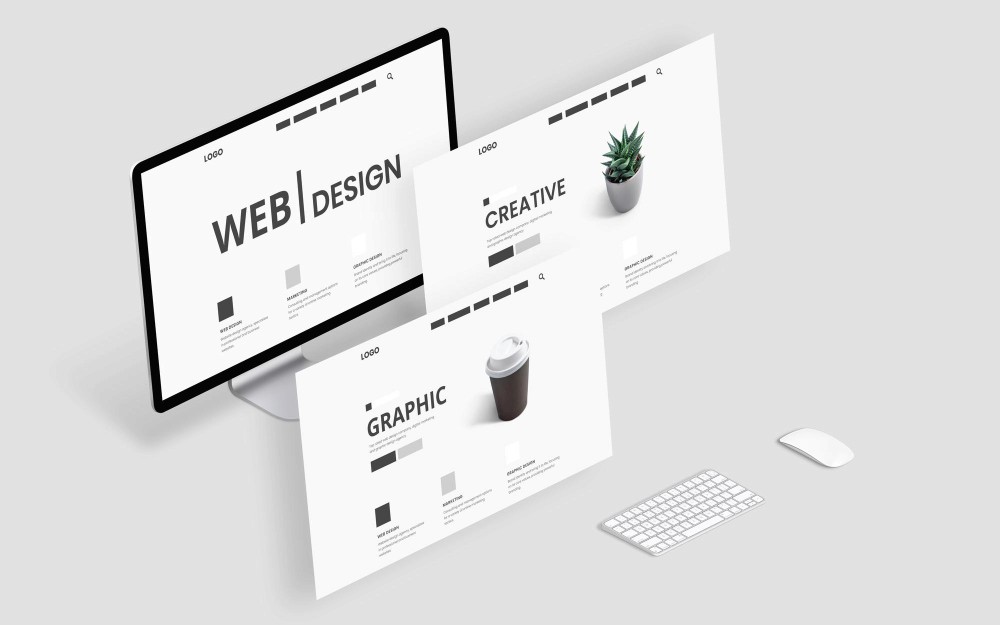
Web design is evolving faster than ever.
What felt modern just a few years ago can already look outdated today. User expectations continue to rise, technology keeps advancing, and businesses are competing harder than ever for attention online. As a result, websites are no longer judged only by how they look. Visitors care about speed, usability, accessibility, and how easily they can find the information they need.
In 2026, successful websites won't simply be beautiful - they'll be strategic. The best websites will combine strong design, excellent performance, and user-focused experiences that help visitors take action quickly. Whether you're building a SaaS product, agency website, online store, portfolio, or service business, understanding modern design trends can help you stay ahead of the competition.
Let's explore the website design trends that will dominate 2026.
Why Website Design Trends Matter
Many businesses think website trends are only about aesthetics. They're not.
Modern design trends often emerge because user behavior changes. People browse differently, consume content differently, and make purchasing decisions differently than they did just a few years ago.
A website that aligns with current expectations feels easier to use, builds trust faster, and often converts better. That's why staying updated isn't about chasing trends; it's about improving user experience.
1. Clarity Over Complexity
One of the biggest shifts happening in web design is the move toward simplicity.
For years, businesses tried to impress visitors with complicated layouts, fancy effects, and information-heavy pages. Today, users prefer websites that are easy to understand.
The best websites immediately answer three questions:
Who are you?
What do you offer?
Why should I care?
If visitors have to work to understand your website, they'll leave. Modern websites are reducing clutter, simplifying navigation, and focusing on clear messaging that helps users quickly find what they're looking for. In 2026, clarity will outperform complexity almost every time.
2. AI-Powered Personalization
Artificial Intelligence is becoming a standard feature of modern websites.
Instead of showing the same content to every visitor, websites are beginning to personalize experiences based on behavior, interests, location, and previous interactions.
For example:
Different users may see different headlines.
Returning visitors may receive customized offers.
Products may be recommended based on browsing history.
This level of personalization helps businesses create more relevant experiences and improve engagement. As AI tools become more accessible, personalized website experiences will become increasingly common throughout 2026.
3. Dark Mode and Adaptive Themes
Dark mode continues to gain popularity across industries.
Many SaaS companies, startups, creative agencies, and technology brands use dark interfaces because they feel modern, premium, and visually appealing. However, the real trend isn't dark mode alone. It's flexibility. Users increasingly expect websites to support both dark and light themes. Giving visitors control over their browsing experience improves usability and creates a more personalized experience.
In 2026, adaptive interfaces that adjust based on user preferences will become even more common.
4. Interactive Micro-Animations
Micro-animations are becoming an essential part of modern website design.
These small interactions help make websites feel alive without overwhelming users.
Examples include:
Button hover effects
Smooth transitions
Interactive icons
Scroll-triggered animations
Loading indicators
Visitors may not consciously notice every animation, but they contribute to a smoother and more engaging experience.
When used correctly, micro-interactions improve usability while adding personality to a website.
The key is moderation.
Too many animations can feel distracting. The best websites use them intentionally.
5. Mobile-First Experiences
Mobile traffic continues to dominate the internet.
For many businesses, more than half of website visitors now come from smartphones and tablets.
That's why modern websites are being designed for mobile screens first. Instead of creating a desktop version and then adapting it for mobile, designers are starting with the mobile experience and expanding from there.
If you're looking for modern Framer templates that are fully responsive and mobile-optimized, explore our collection of professionally designed website templates.
Explore Templates: https://mezario.com/templates
This approach ensures:
Better usability
Faster loading times
Improved accessibility
Higher conversion rates
In 2026, mobile-first design is no longer a recommendation - it's a requirement.
6. Accessibility-Driven Design
Accessibility is becoming one of the most important aspects of modern web design.
Businesses are recognizing that websites should be usable by everyone, including people with disabilities.
Accessible websites often include:
Proper color contrast
Keyboard navigation support
Alternative text for images
Clear heading structures
Readable typography
Accessibility benefits all users, not just those with disabilities.
Websites that are easier to use tend to perform better overall.
As awareness grows, accessibility will become a standard practice rather than an optional enhancement.
7. Conversion-Focused Layouts
A beautiful website means very little if it doesn't achieve business goals.
That's why conversion-focused design continues to grow in importance.
Modern websites are carefully structured to guide visitors toward specific actions such as:
Making a purchase
Booking a consultation
Requesting a quote
Signing up for a newsletter
Creating an account
Every section serves a purpose. Every call-to-action is strategically placed. Every page is designed with a goal in mind.
In 2026, successful websites will prioritize outcomes over decoration. Many modern website templates are built around conversion-focused layouts that help businesses generate more leads and improve
engagement.
8. Scroll-Based Storytelling
Websites are increasingly using scrolling as a storytelling tool.
Instead of presenting all information at once, content is revealed gradually as users move through the page.
This creates a more engaging experience while helping visitors absorb information naturally.
Scroll-based storytelling works particularly well for:
Product launches
Startup websites
Agency portfolios
Brand stories
Event websites
Combined with subtle animations and strong visuals, storytelling can significantly improve user engagement.
9. Faster and Lighter Websites
Speed remains one of the most important ranking factors and user experience metrics.
Users expect websites to load almost instantly.
Research consistently shows that slower websites experience:
Higher bounce rates
Lower engagement
Reduced conversions
Modern businesses are focusing on:
Optimized images
Efficient code
Lightweight animations
Better hosting solutions
Performance is no longer just a technical concern. It's a design priority. The fastest websites often deliver the best results.
10. Bold Typography and Strong Visual Hierarchy
Users rarely read every word on a page. They scan. That's why typography and hierarchy play such an important role in modern design. Large headlines, clear subheadings, and thoughtful spacing help visitors quickly understand information.
Strong hierarchy guides attention and improves readability. Instead of overwhelming users with information, modern websites focus on presenting content in a structured and digestible way. Good typography doesn't just improve aesthetics. It improves communication.
11. Authentic Visual Content
Stock photos are becoming less effective. Modern audiences prefer authentic visuals that represent real people, products, teams, and experiences. Businesses are increasingly investing in:
Original photography
Behind-the-scenes content
Customer stories
Real testimonials
Brand-specific visuals
Authenticity builds trust. Trust leads to conversions. That's why genuine visual content will continue to play a major role in website design throughout 2026.
12. Design Systems and Consistency
As websites continue to grow in size and complexity, maintaining consistency across every page becomes more important than ever. A well-structured design system helps businesses create a cohesive user experience by ensuring that visual elements, layouts, and interactions remain uniform throughout the website. This not only improves usability but also makes websites easier to manage, update, and scale over time.
A strong design system typically includes typography guidelines, color palettes, reusable components, button styles, spacing rules, and layout standards. By establishing these design foundations, businesses can ensure that every page reflects the same visual identity and brand personality, regardless of how much content is added in the future.
Consistency plays a major role in building trust and strengthening brand recognition. When visitors encounter a website that feels organized and visually unified, they are more likely to view the brand as professional and reliable. In 2026, businesses that invest in scalable design systems will be better equipped to deliver seamless user experiences, maintain brand consistency, and support long-term website growth.
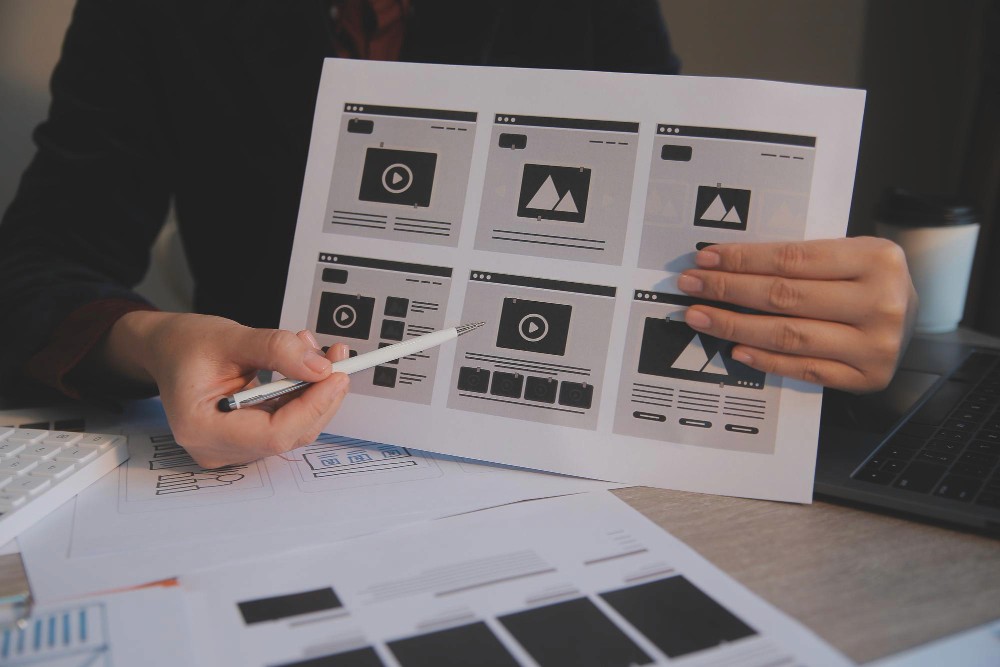
How Businesses Can Prepare for 2026
Keeping up with design trends doesn't mean redesigning your website every year. Instead, focus on improvements that genuinely enhance the user experience. Start by asking:
Is my website easy to understand?
Does it load quickly?
Is it mobile-friendly?
Is navigation simple?
Are calls-to-action clear?
Does the design build trust?
Small improvements often produce significant results. The businesses that succeed online are not always the ones with the most visually impressive websites. They're the ones with the most effective websites.
Final Thoughts
Website design in 2026 is evolving beyond visual appeal alone. While attractive layouts still play an important role, businesses are increasingly focusing on creating experiences that are fast, intuitive, and user-friendly. Modern visitors expect websites to load quickly, work seamlessly across all devices, and provide clear information without unnecessary complexity. As competition online continues to grow, businesses can no longer rely solely on aesthetics to capture attention and build trust.
Several key trends are shaping the future of web design. AI-powered personalization is helping brands deliver more relevant experiences, while adaptive themes and dark mode options are giving users greater control over how they browse. Micro-interactions, thoughtful animations, and conversion-focused layouts are making websites more engaging without sacrificing usability. At the same time, accessibility and mobile-first design are becoming essential standards rather than optional features, ensuring that websites remain inclusive and effective for all users.
Above all, one principle stands out in 2026: clarity wins. The most successful websites are not necessarily the most complex or visually impressive - they are the easiest to understand and navigate. Clear messaging, strong visual hierarchy, fast performance, and intuitive user journeys help visitors find what they need and take action with confidence. As technology continues to evolve, businesses that prioritize simplicity, usability, and meaningful user experiences will be better positioned to build trust, increase engagement, and achieve long-term success online. The future of web design is not about adding more features; it is about creating smarter, more effective experiences that genuinely serve users.
FAQ
What are the biggest website design trends in 2026?
The biggest website design trends in 2026 include AI-powered personalization, dark mode, mobile-first design, accessibility, micro-interactions, and conversion-focused layouts.
Is dark mode still popular in 2026?
Yes. Dark mode remains popular, especially for SaaS, startup, and technology websites. Many websites now offer both dark and light themes for a better user experience.
Why is mobile-first design important?
Mobile-first design ensures websites provide a seamless experience across smartphones, tablets, and desktops while improving usability, engagement, and search engine performance.
How does website speed affect SEO?
Faster websites improve user experience, reduce bounce rates, and help search engines rank pages more effectively, making speed an important SEO factor.
What makes a modern website successful in 2026?
A successful website focuses on clarity, performance, accessibility, responsive design, and user experience rather than relying solely on visual effects.


